
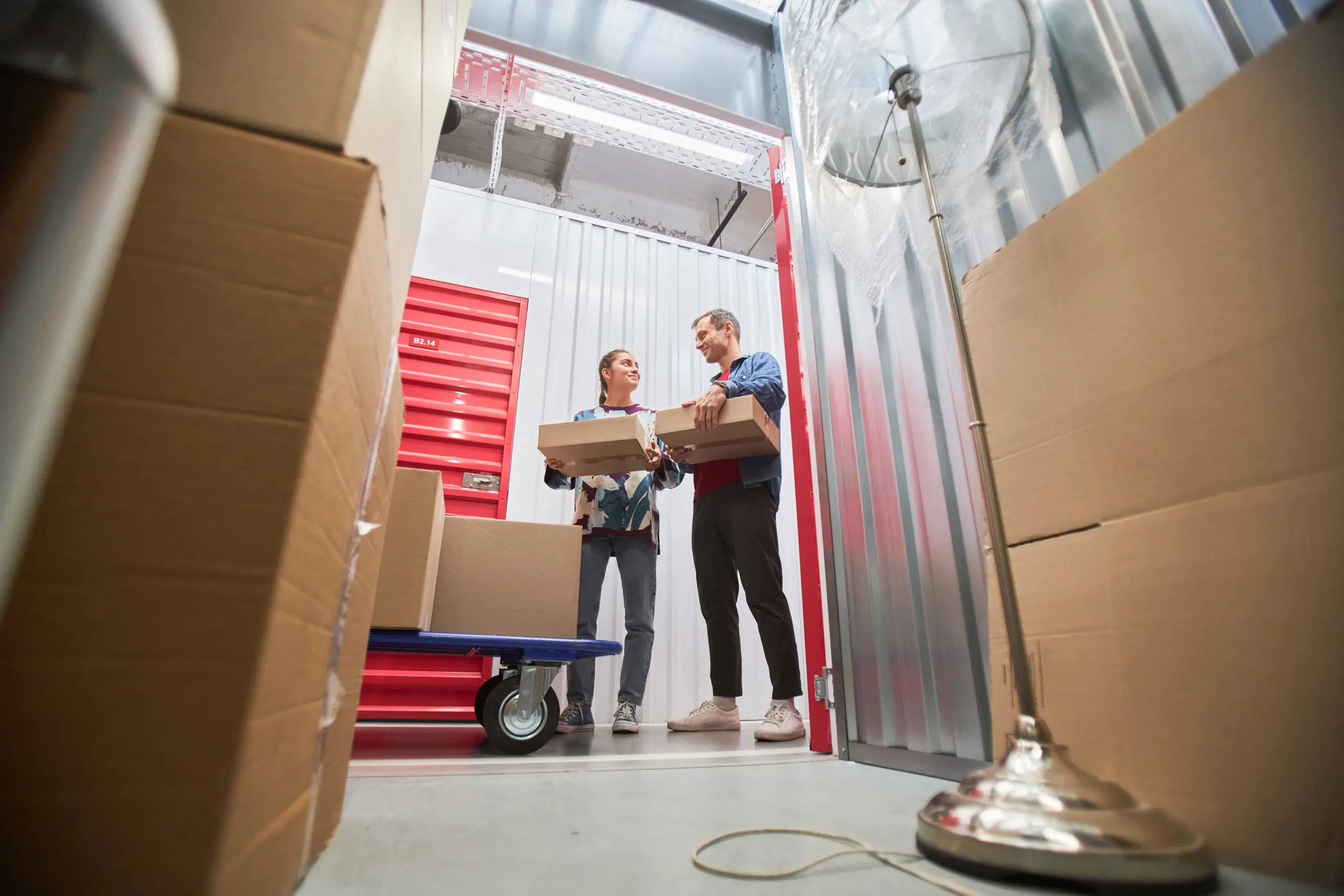
When it comes to quick, casual storage, you may find yourself throwing things haphazardly into a box or bag. This casual storage method may be a fine option for storing goods over a weekend, month, or short summer. However, when it comes to longer-term storage, choosing to carelessly store your furniture, electronics, and textiles can lead to major property damage. But what exactly should you be doing to ensure everything is properly stored away?
In this blog, we’ll explore appropriate storage methods for longer-term storage to help you protect your belongings during this process.
Preparing Furniture to Prevent Damage in Storage
When you’re preparing furniture for longer-term storage, you want to take a few extra steps to protect it from dust, moisture, scratches, and other potential damage. Before packing anything away, start by thoroughly cleaning everything. Dust, dirt, and spills become more difficult to remove over time, so make sure everything is clean and dry before placing it in storage.
For wooden furniture, consider applying a suitable furniture polish or protective treatment before covering it. Disassemble larger pieces whenever possible to make them easier to transport and store. Be sure to keep track of screws, hardware, and small components by placing them in a labeled bag and securing them to the furniture.
When covering furniture, avoid using plastic directly against wood or upholstered surfaces, as it can trap moisture. Instead, use breathable furniture covers, blankets, or moving pads to provide protection while allowing air to circulate. Finally, keep furniture elevated off the floor to provide an additional layer of protection against moisture.
Safeguarding Electronics From Dust, Moisture, and Temperature Changes
As you begin packing up your electronics for longer-term storage, you need to protect them against potential damage from moisture, dust, and temperature fluctuations. Before you begin packing up your electronics, it is essential that you take out any removable batteries to prevent acid leaks and corrosion that could lead to permanent damage.
Additionally, give the electronic a thorough wipe down with a microfiber cloth. Lingering dust and debris can attract moisture and clog internal vents. Finally, if it is a computer, phone, or hard drive, make sure to back up the data on an external hard drive or secure cloud storage to protect yourself in the event of catastrophic damage.
To protect against moisture, consider placing a mini dehumidifier in the container to trap ambient moisture. When it comes to protecting against temperature fluctuations, consider looking for a temperature-controlled storage unit. These units maintain temperatures between 55°F and 80°F, preventing major damage when you pull the electronics out again.
Cleaning and Packing Textiles for Long-Term Protection
If you’re preparing to put textiles like rugs, tapestries, and drapes for longer-term storage, you want to ensure they’re ready to be packed away. It isn’t as simple as packing these goods away into any container they’ll fit in. Instead, you have to make sure your textiles are properly cleaned and adequately stored before packing them away.
Consider having your textiles dry cleaned before you begin packing it away. If you clean it yourself, be sure to avoid harmful fabric softeners, starch, and chlorine bleach that may break down the fabric. Then, gently fold or roll it, placing acid-free tissue between layers to prevent permanent creases and fabric stress.
Once this is done, you can transport it into its chosen storage container and place it in your longer-term storage. While these steps may seem tedious, they are essential for protecting your textiles against major, irreversible damage. Be thoughtful in placing it in an appropriate storage unit, and ensure you avoid damp basements or hot attics.
Choosing the Right Packing Materials and Storage Containers

When it comes to longer-term storage, you also want to ensure you’re choosing the appropriate packing materials and storage containers. But what is appropriate for your possessions will depend on the weight, fragility, and destination of them. You should start this process by choosing the appropriate storage container.
Store heavy items like books and tools in smaller boxes, while reserving larger boxes for bulky, light goods like pillows and towels. Once you’ve chosen the appropriate storage container for your items, turn to choosing cushioning and filling materials. As you pack, make sure to have ample access to bubble wrap, packing paper, and shipping foam.
Bubble wrap is ideal for fragile goods like ceramics, mirrors, and electronics. Packing paper should be used to wrap glassware and to fill empty spaces in boxes. Shopping foam should be used for highly shock-sensitive valuables. Make sure to use each wisely to keep your goods tucked safely away when placed in your longer-term storage unit.
How to Organize Your Storage Unit for Easy Access Later
While the things you do to prepare your possessions for longer-term storage are incredibly important, your organization methods in your unit are also important. Haphazardly storing your possessions can lead to major headaches when you return to pull things out or attempt to store more possessions down the line.
If you want to ensure everything in your longer-term storage unit is organized in a way that allows for easy access, consider the following organizational tips:
- Create Layouts and Zones: When packing your unit, leave clear walkways. Additionally, put items you need near the front, while long-term items and furniture should be stored near the back.
- Pack and Stack Smartly: Use storage containers of the same size so they stack evenly. Also make sure to pack heavy containers near the bottom and label every size of the container for easy access.
- Track Your Inventory: Consider drawing a labeled map of your storage unit or make a list and number your storage containers to ensure you know what and where everything in the unit is being stored.

Providing Longer-Term Storage Options at 700 Block Storage
If you’re looking for reliable, flexible longer-term storage options in Salt Lake City, 700 Block Storage is the right place to turn. Whether you’re looking for self-storage options, need something climate controlled, or are preparing for an upcoming deployment, our various storage units are designed to fit your lifestyle. You can trust that we also offer storage units that fit everyone’s needs and budget, whether you’re planning for short- or longer-term storage.
If you would like to start renting a storage unit today, reach out to our team for more information.
